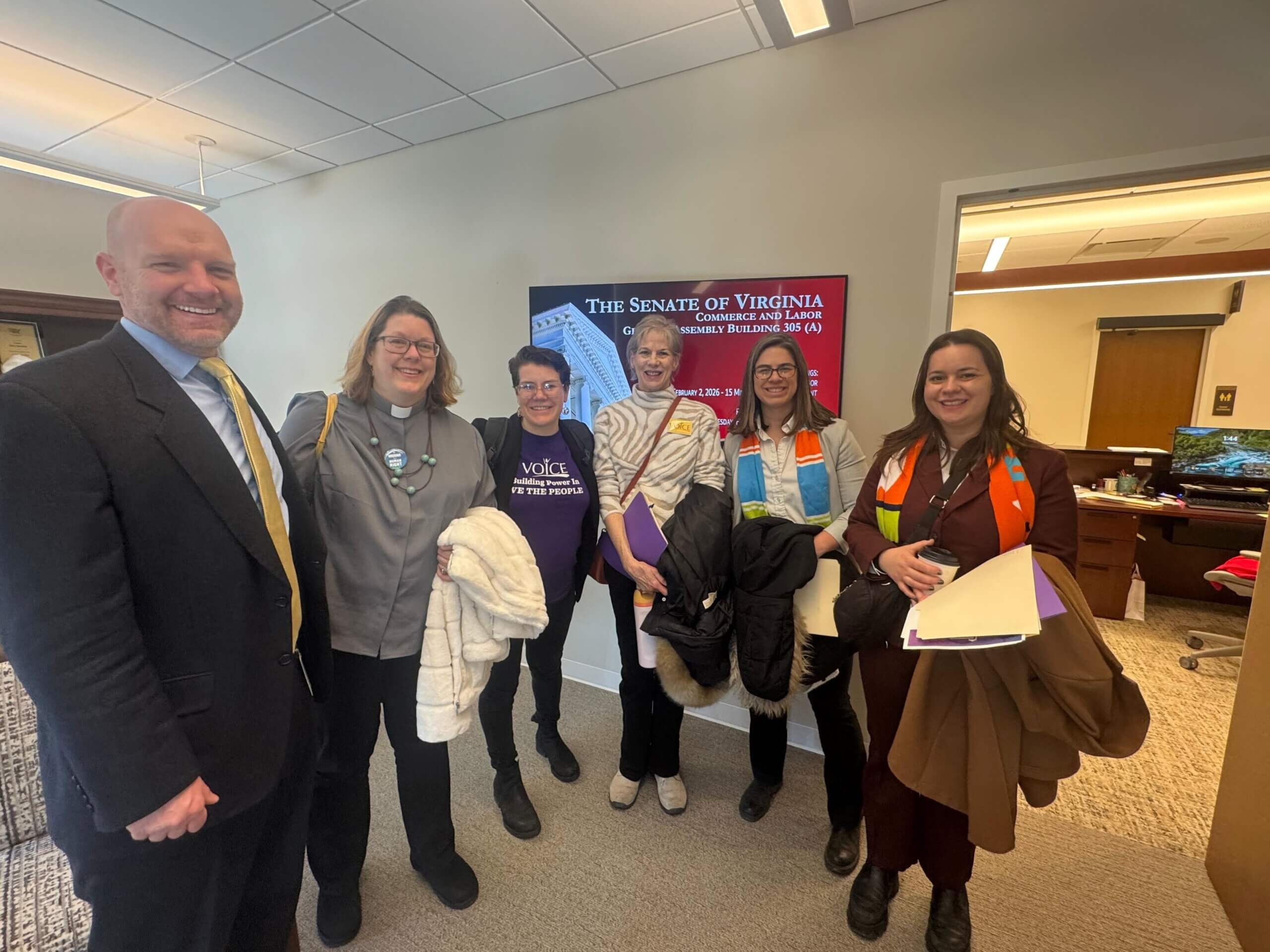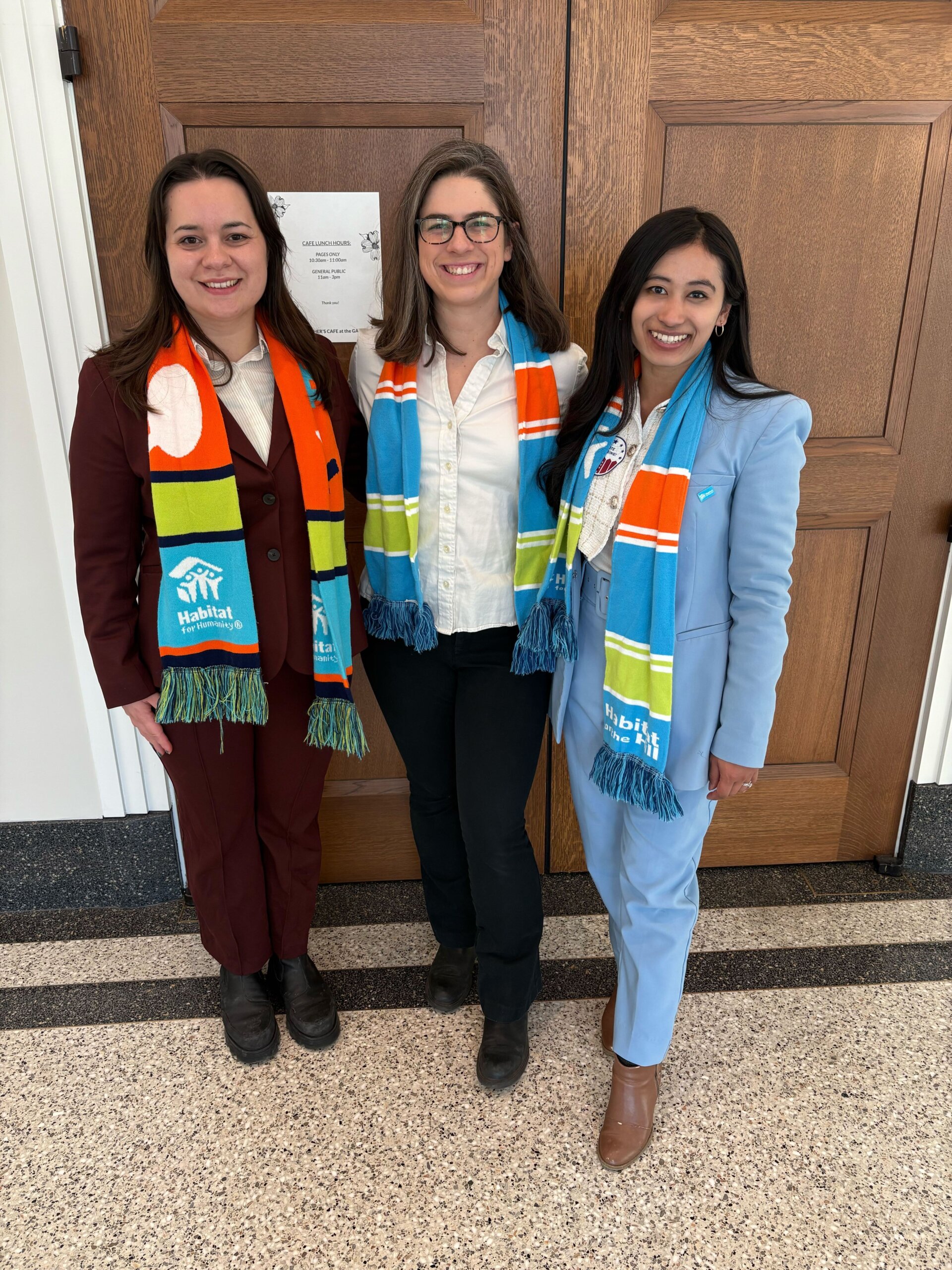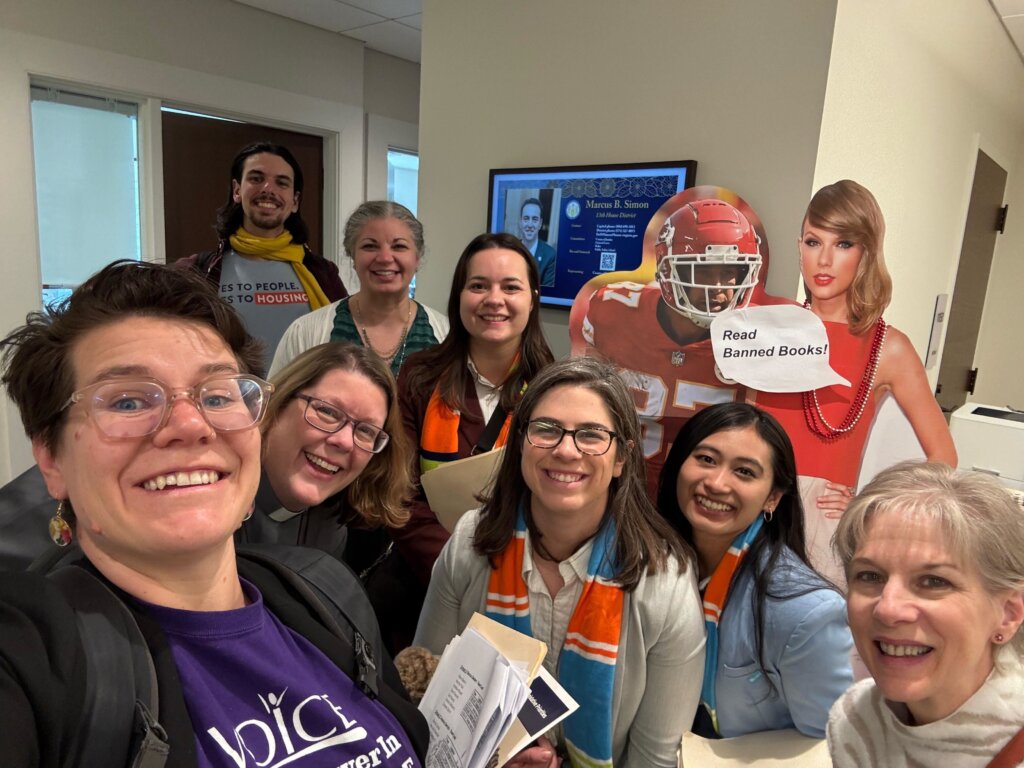
Habitat DC-NOVA has been advocating for the past few months with the Commonwealth Housing Coalition to the Virginia General Assembly to pass legislation that would address the state’s housing shortage by reducing barriers to home construction, especially affordable housing. Thanks to the strength of our collective voices with faith and community leaders, housing advocates, and local officials – and thank you to those who helped us send letters last month – these unprecedented number of housing bills passed both chambers in the General Assembly and are on their way to Governor Spanberger’s desk to sign!
We need your help to make sure these bills pass! It only takes a minute! Complete this to email Governor Spanberger for all five bills below:
- Faith in Housing – This legislation (which passed over the weekend!) would make it easier for faith institutions and tax exempt non-profits, like Habitat for Humanity, to build affordable homes on land they own, which would deliver more affordable homes, faster. If you weren’t already aware, Habitat DC-NOVA has an affordable townhome project in the City of Fairfax on church land in partnership with Fairfax Presbyterian Church, Glebe View, which took 8 years and $1 million to bring to groundbreaking, and this legislation would have helped this project be developed faster by a few years and cost much less
- Legalize Manufactured Homes – This bill expands areas where manufactured homes can be built outside of agricultural zones.
- Parking requirement Reform – The first of its kind in Virginia, this bill would reduce unnecessary mandatory parking requirements in areas with proximity to transit, affordable housing, and more. Parking is expensive to build, and requiring more than is used drives up housing costs and prevents more affordable housing from being built.
- Accessory Dwelling Units (ADUs) – ADUs, or granny flats, are an affordable option for many. This bill lets homeowners build tiny, independent living spaces in their backyards or attached to the main home, after obtaining the proper building permits, and requires all localities who do not yet have an ADU ordinance to establish one.
- Expediting Affordable Housing – Local development processes are often costly and unpredictable. Under this bill, localities can create an administrative approval process to expedite qualifying affordable housing developments.